Applications
Semiconductor, energy, electronics, laboratory and precision manufacturing — where EJER supports the process.
Applications
Semiconductor
Wafer · IC · Packaging · Cleanroom
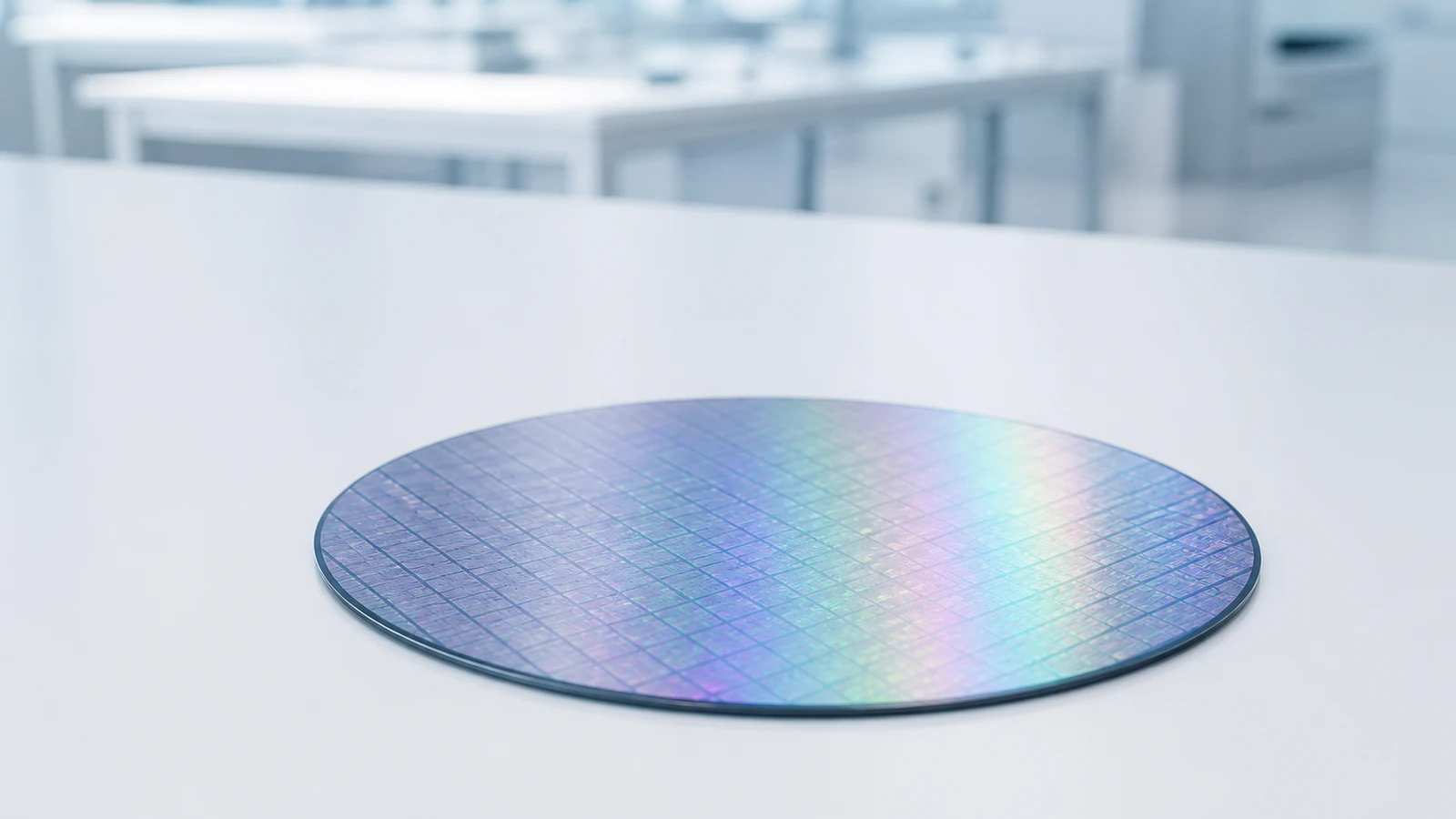
Semiconductor lines treat storage as process equipment. EJER dry cabinets and nitrogen cabinets hold a known climate next to the tool — ultra-low humidity for moisture-sensitive packages, nitrogen where oxidation is the failure mode.
Typical users are wafer fabs, OSAT and packaging houses, IC module plants, and university microelectronics labs. Wafers, leadframes, MSDs and process materials stay in the cabinet between process steps, so floor life is paused instead of recovered by daily baking.
Applications
Electronics
SMT · PCB · 5G IoT · AI modules
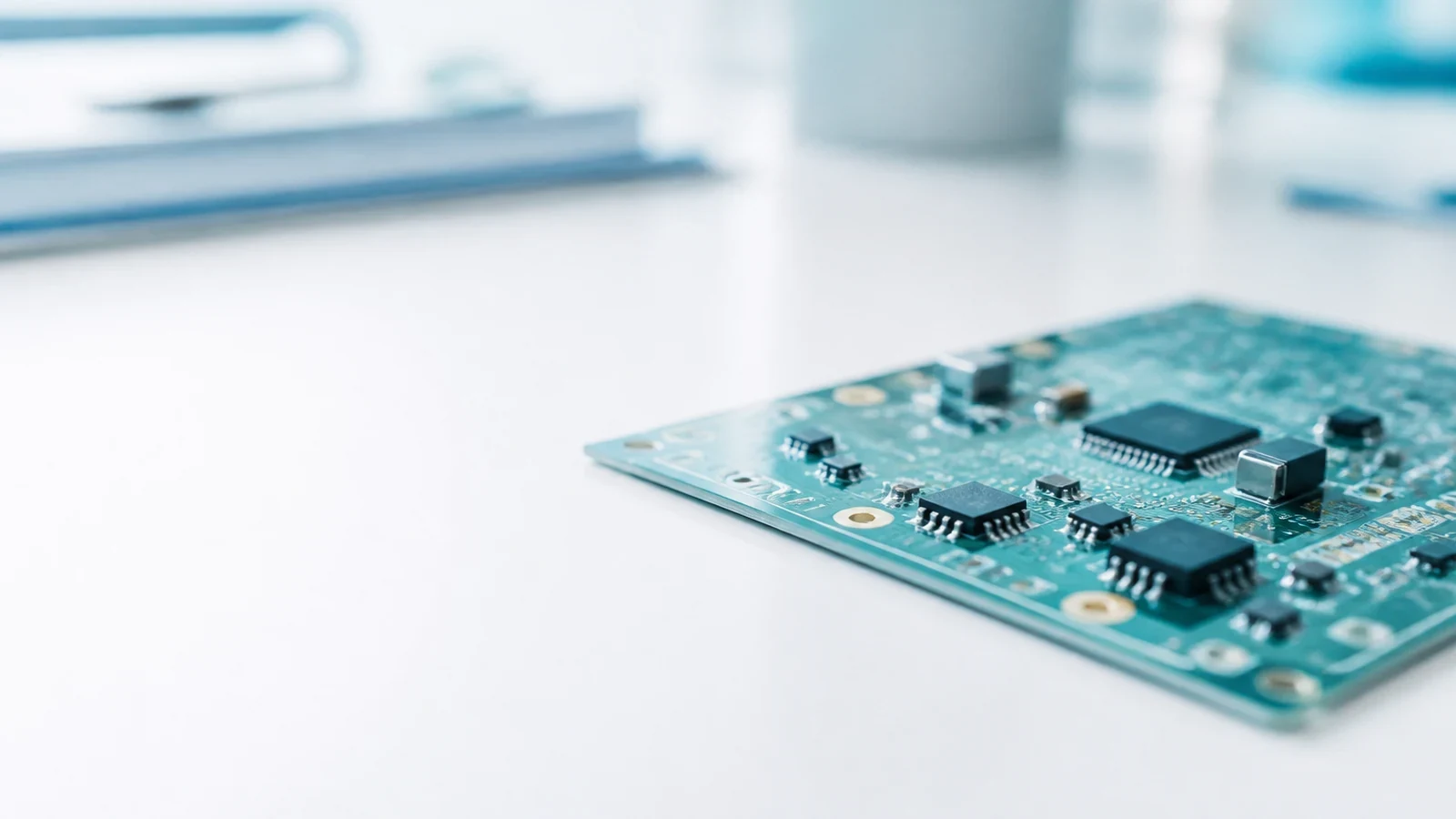
On SMT and high-reliability electronics lines, reels and trays leave the dry cabinet only for the next placement. Set points of 1% RH or 5% RH follow IPC/JEDEC J-STD-033 so baking stays the exception, not the daily plan.
Used by EMS plants, 5G and IoT module makers, automotive electronics, and AI hardware lines. Moisture-sensitive ICs, PCBs, camera modules and optical components belong in a dry cabinet; silver finishes and coated parts that still tarnish in dry air belong in nitrogen.
Applications
New Energy
Photovoltaic · Battery · Energy storage
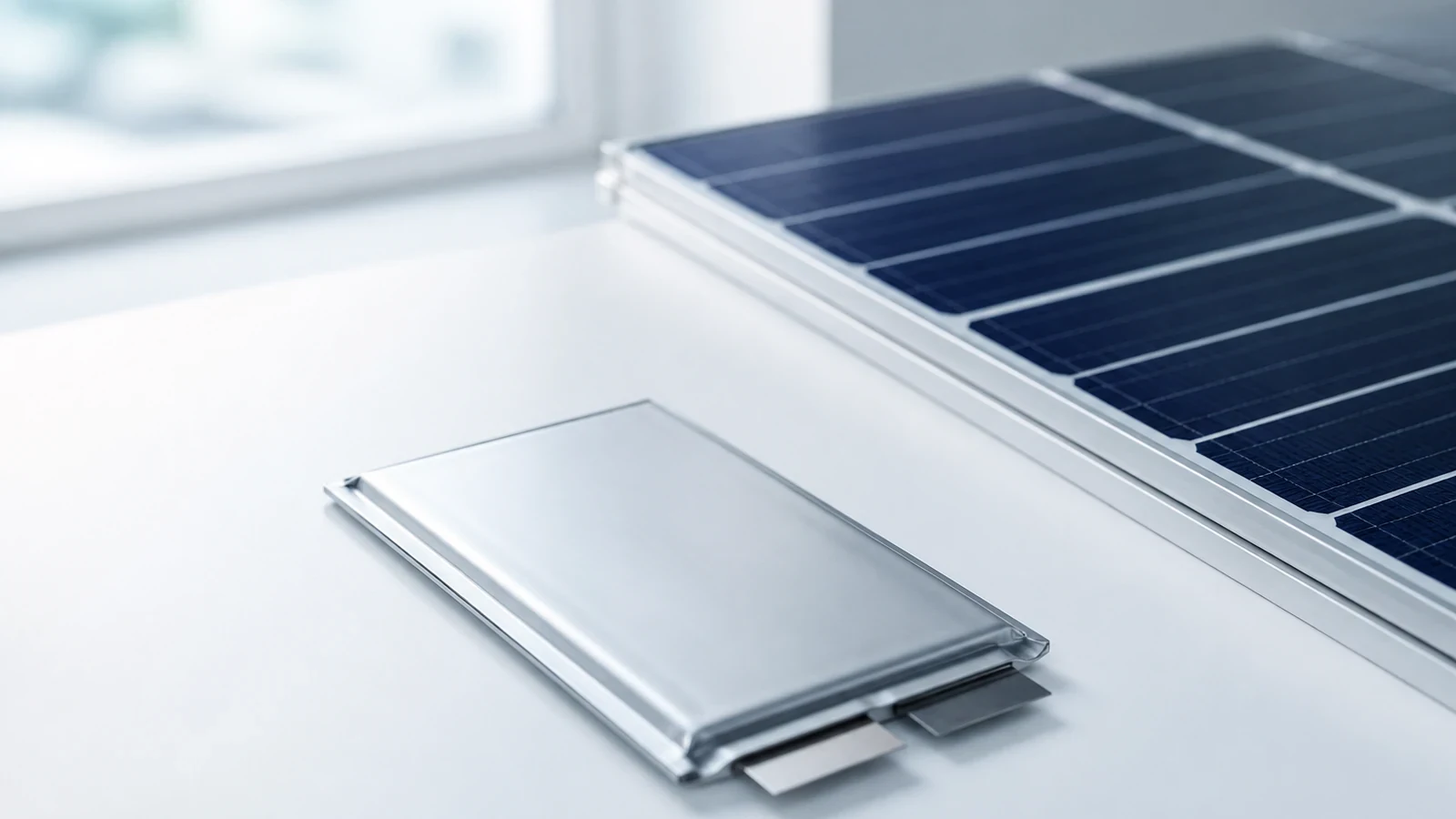
Electrode powders, separators and related electronics take up water from hall air. Dry storage and documented drying cut yield loss that often shows up only after formation or field ageing.
Specified for photovoltaic cell and module plants, battery material and cell makers, and energy-storage manufacturers. Cathode and anode materials, PV cells, sensors and power electronics sit in dry cabinets between process queues; a drying oven is used when the method requires a temperature profile, not only dry air.
Applications
Electric Vehicle
Battery systems · Power electronics · BMS
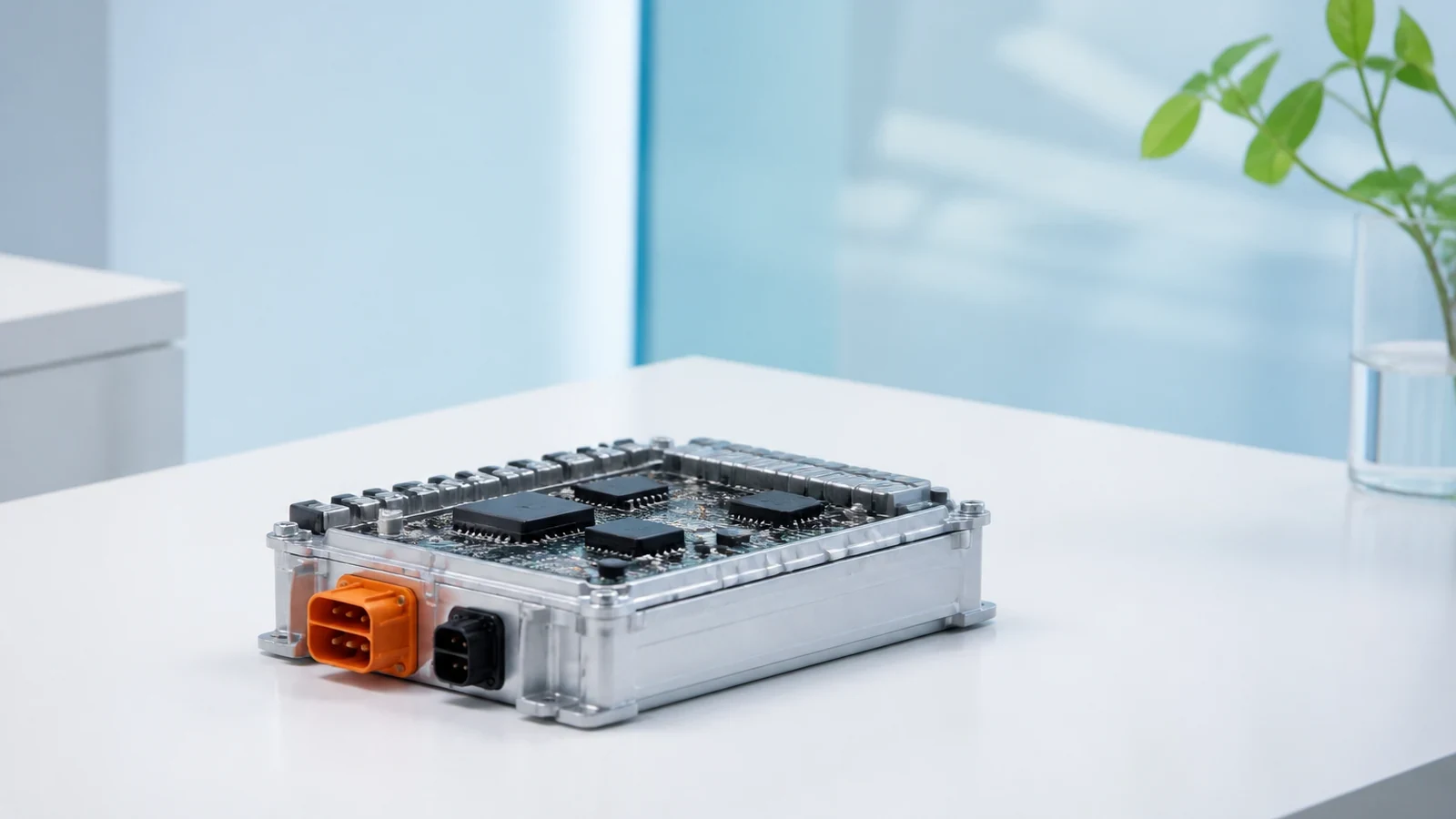
EV electronics and battery-system parts wait in a controlled cabinet between assembly steps. The cabinet is specified to the failure mode: humidity for MSDs, nitrogen where oxidation of interconnects and finishes is the risk.
Used by EV OEMs, battery pack lines, and power-module suppliers. Typical contents are BMS boards, IGBT and SiC modules, sensors and harness electronics — held at the line, not in a remote warehouse.
Applications
Laboratory & R&D
Research · Testing · Sample protection
Research rooms use the same digital control as the factory, scaled to the bench: dry cabinets for reagents, optics and samples; drying ovens when a documented temperature method is required.
Typical users are universities, government and industrial laboratories, pharmaceutical and chemical R&D, and metrology rooms. The cabinet protects moisture-sensitive samples, precision instruments and teaching materials — not as furniture, but as a small process climate.
Applications
Precision Manufacturing
Optics · Lenses · Tight-tolerance parts
Optical coatings and tight-tolerance parts stain or drift when humidity and oxygen are left to the hall. Cabinets hold a known climate beside the tool so inspection and assembly see the same surface the process designed.
Used by optics and lens plants, semiconductor equipment makers, and precision automation lines. Camera lenses, coated optics, sensors and high-tolerance parts belong in dry or nitrogen storage according to whether moisture or oxidation is the risk.